








Hello everyone, and welcome to another of my reviews. In this article, I’ll review a trio of premium eyewear products from the local eyewear label Sightonomy.
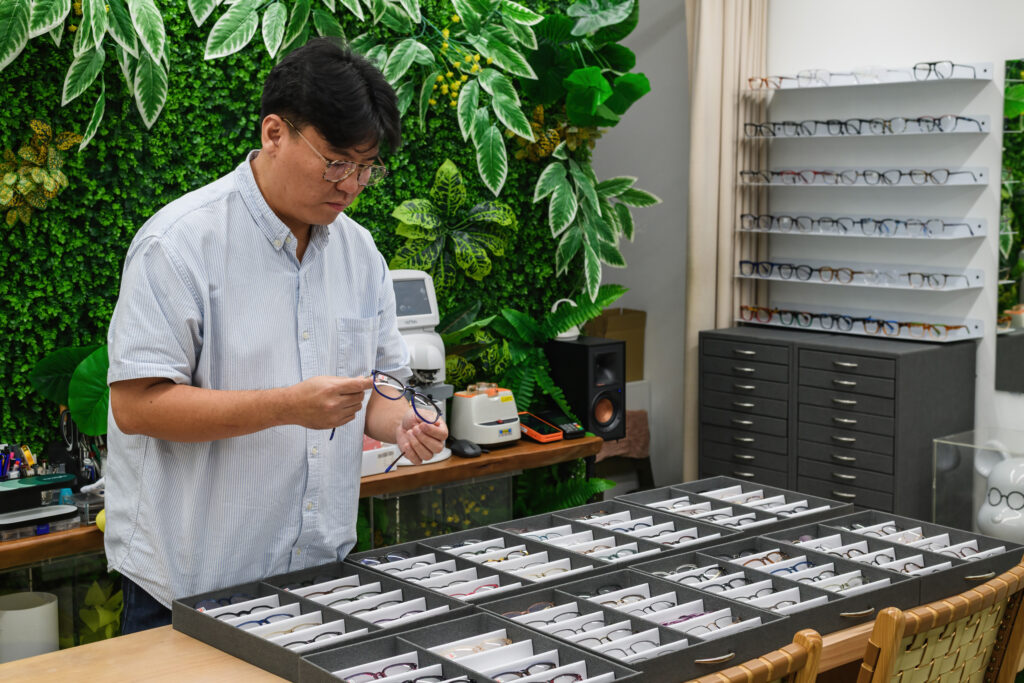
I’ve gotten numerous pairs of spectacles from sightonomy before—you can read about my latest experience with sightonomy here. Recently, I heard from Shane that he’s brought in several high-end Japanese eyewear labels to offer a more upscale, curated collection for customers, so I headed down to have a look.
Sightonomy – Premium Eyewear
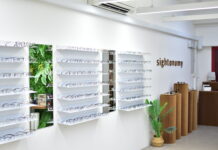
For those unfamiliar with the brand, sightonomy is located on Smith Street in the heart of Chinatown, with its cosy boutique occupying the second level of a shophouse.
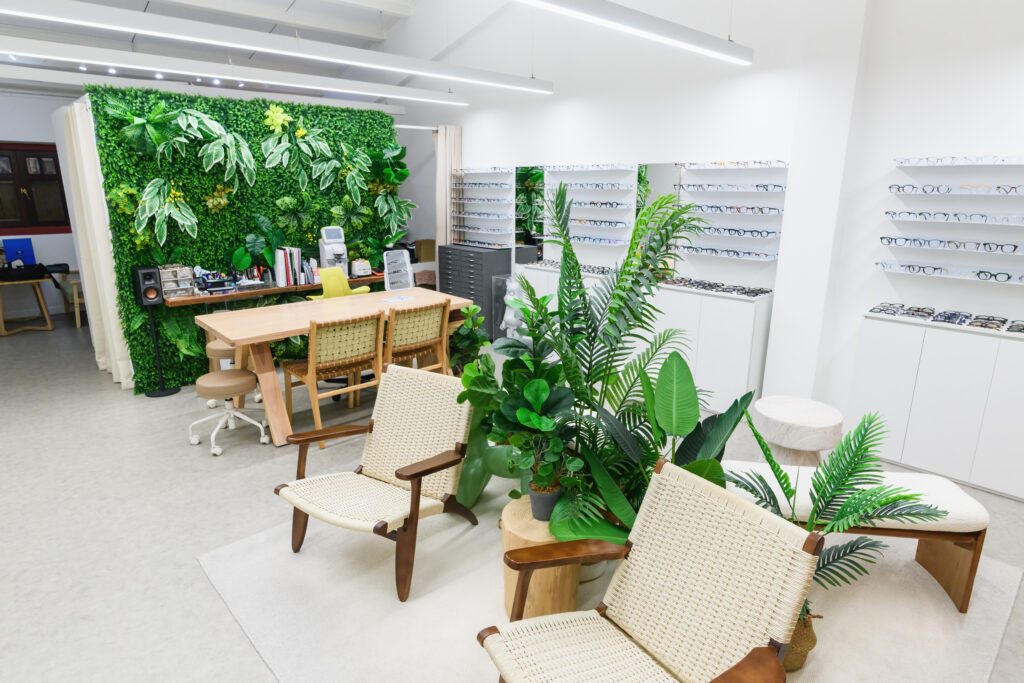
Sightonomy has one of the prettiest showrooms I’ve been to (for an optical shop), with walls lined with a wide variety of eyewear. Though Shane has slightly renovated the furnishings since, the store’s interior remains largely similar to when I first visited, so interested readers can read my first impressions of sightonomy here.
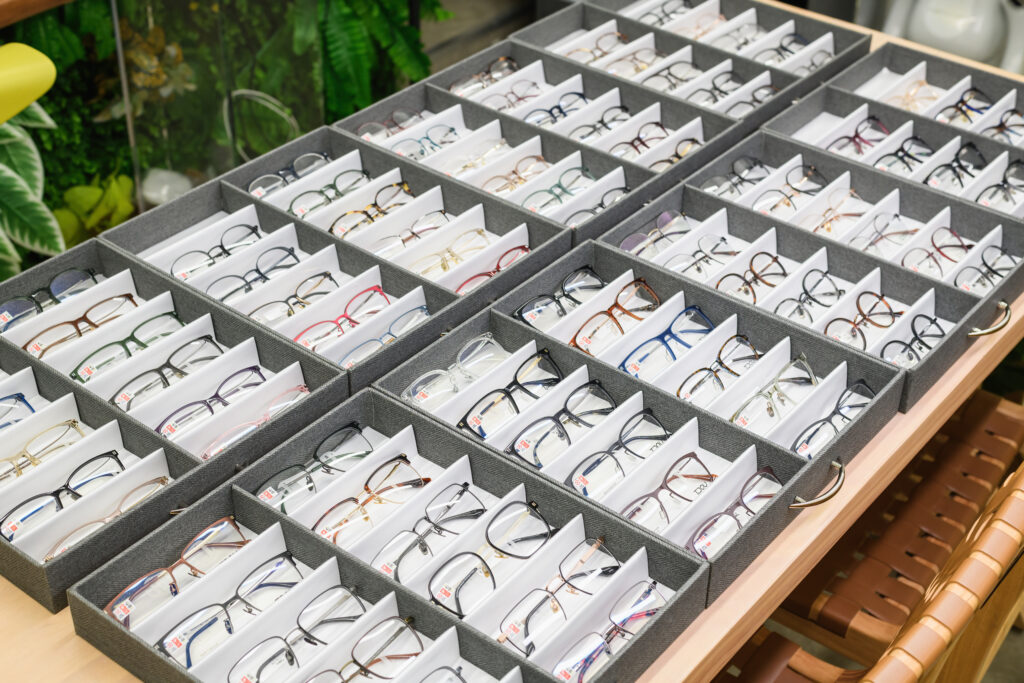
After warmly greeting me, Shane brought out trays of his new Japanese frames, from brands such as Masunaga, Acoustic Line, Victor & Rolf, TiDou, and more – the full list of brands can be found here.
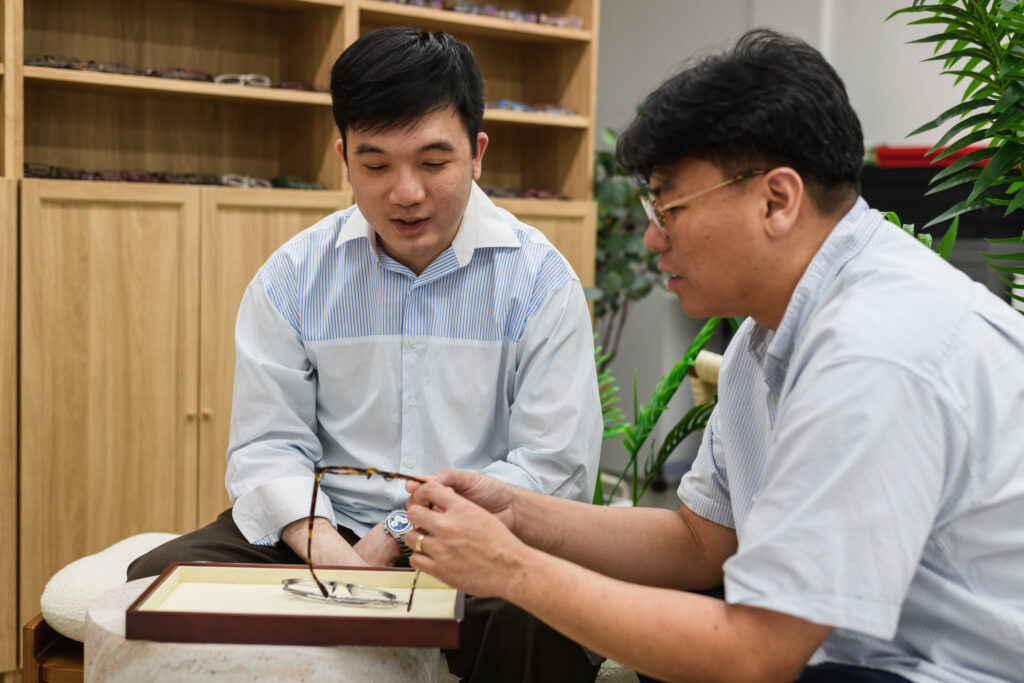
Now, many of you are probably familiar with luxury Western eyewear brands like Cartier, Gucci, Chanel, and Tom Ford. But among eyewear enthusiasts, Japanese labels have long been revered for their exceptional craftsmanship, often at prices that offer remarkable value for the quality. That said, Japanese eyewear isn’t exactly my area of expertise. So, I turned to Shane for a few recommendations on brands and standout frames worth checking out.
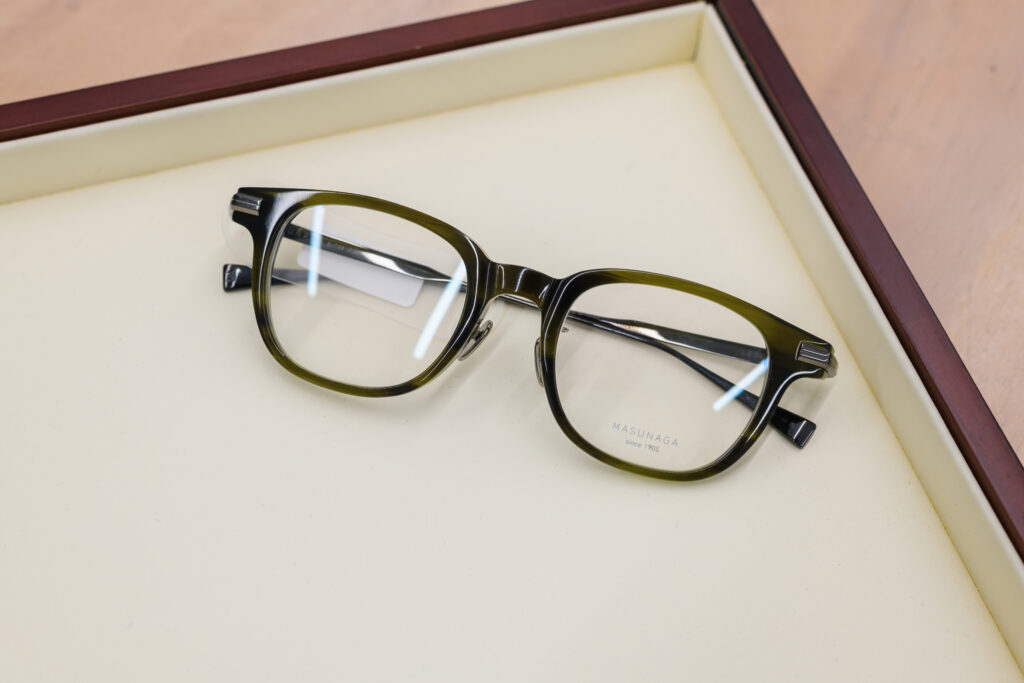
Shane first introduced me to Masunaga, one of Japan’s most prestigious eyewear makers. Best known for its understated “quiet luxury” aesthetic, the brand has built its reputation on uncompromising craftsmanship, with every frame designed and manufactured entirely in-house. The result is eyewear that is not only technically superb but also impeccably finished.
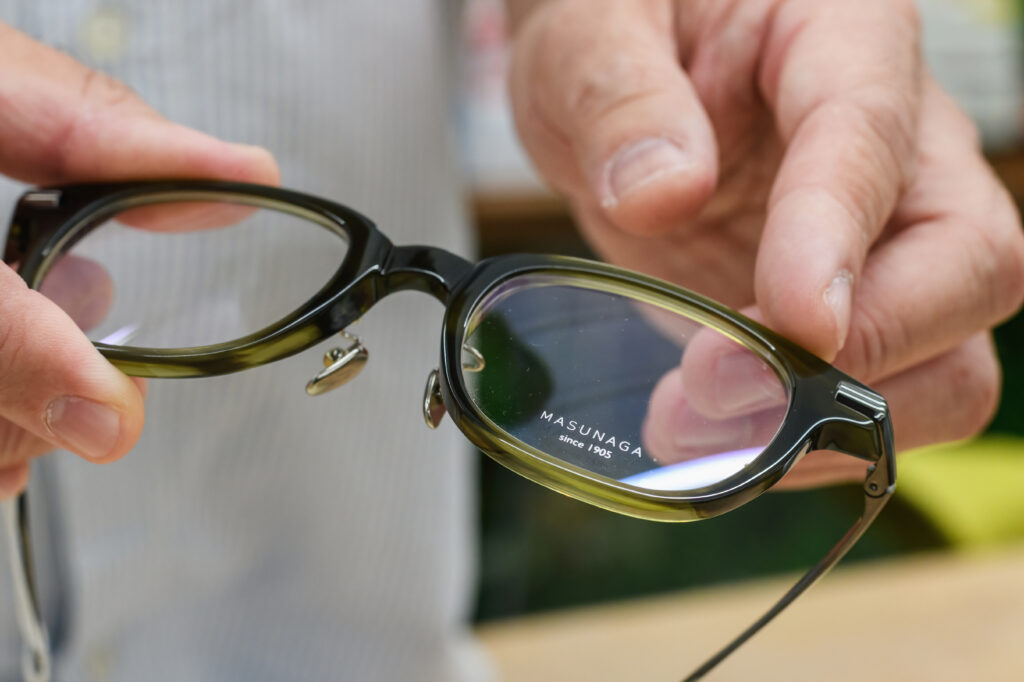
Take this handsome green acetate frame, for instance. The acetate is meticulously hand-finished, hypoallergenic, highly resistant to degradation, and retains its lustre remarkably well over time. Much of that comes down to the material itself—Masunaga sources its acetate from Takiron, a manufacturer widely regarded as one of the finest not only in Japan, but anywhere in the world.
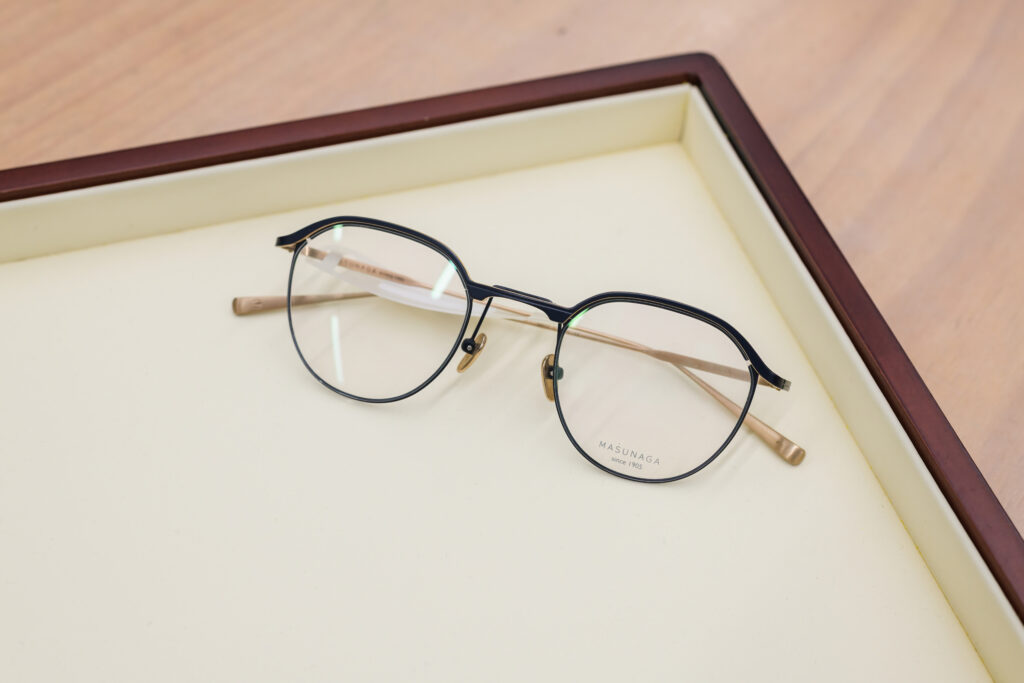
If acetate isn’t your material of choice, Masunaga also produces an impressive range of handcrafted titanium frames. This navy-and-gold model was an instant favourite of mine—the colour combination feels refined and regal without being overly flashy. I was also drawn to the frame’s subtle curves, which soften its overall profile and lend it a quiet elegance that’s easy to overlook at first glance.
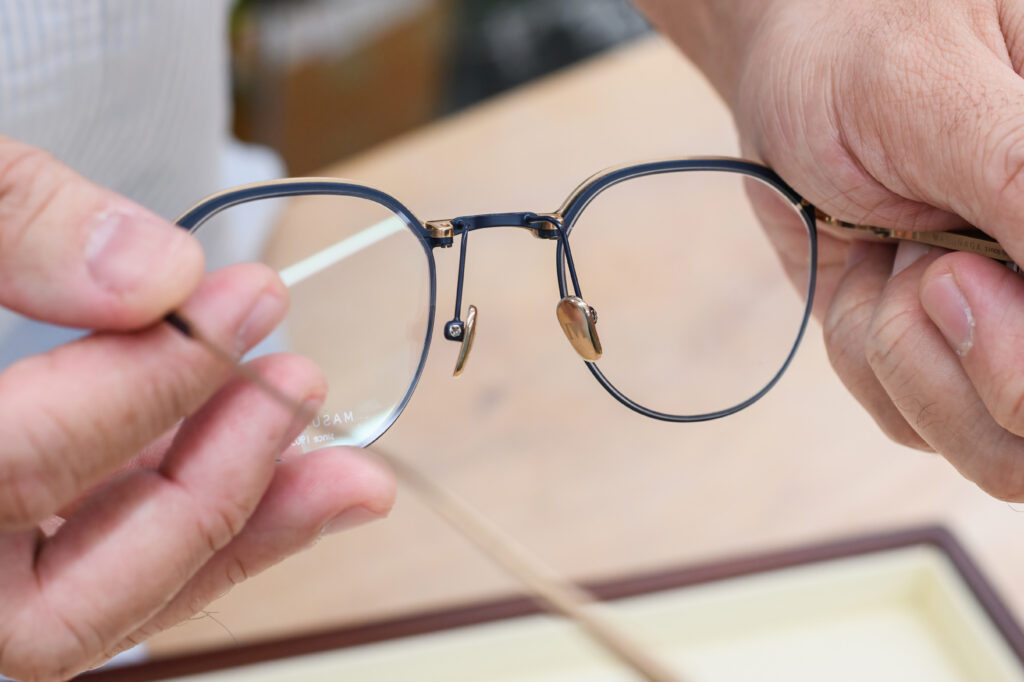
The only real sticking point is the price. With most Masunaga frames retailing at around S$1,000, they’re undeniably an investment. Given the brand’s 120-year heritage and uncompromising approach to craftsmanship, the pricing is certainly justifiable—but for me, it was unfortunately a little beyond what I was prepared to spend.
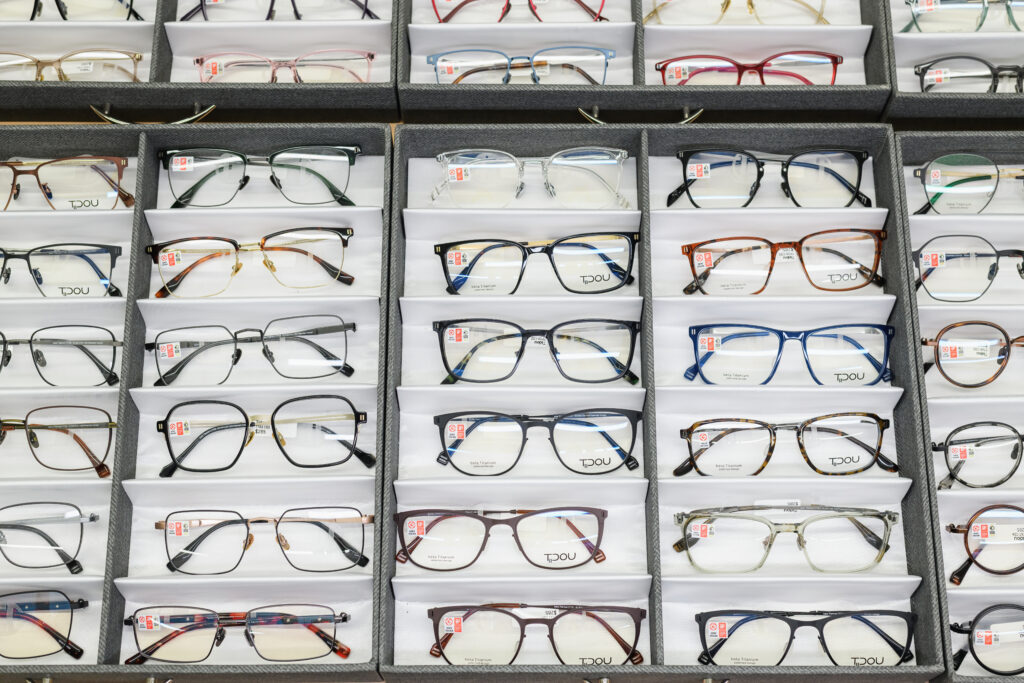
Shane then pointed me towards a more accessible alternative: TiDOU, a Japanese eyewear label that has been gaining recognition for its thoughtful design approach. The brand blends minimalist Italian aesthetics with precise Japanese engineering, resulting in frames that feel both refined and highly functional.
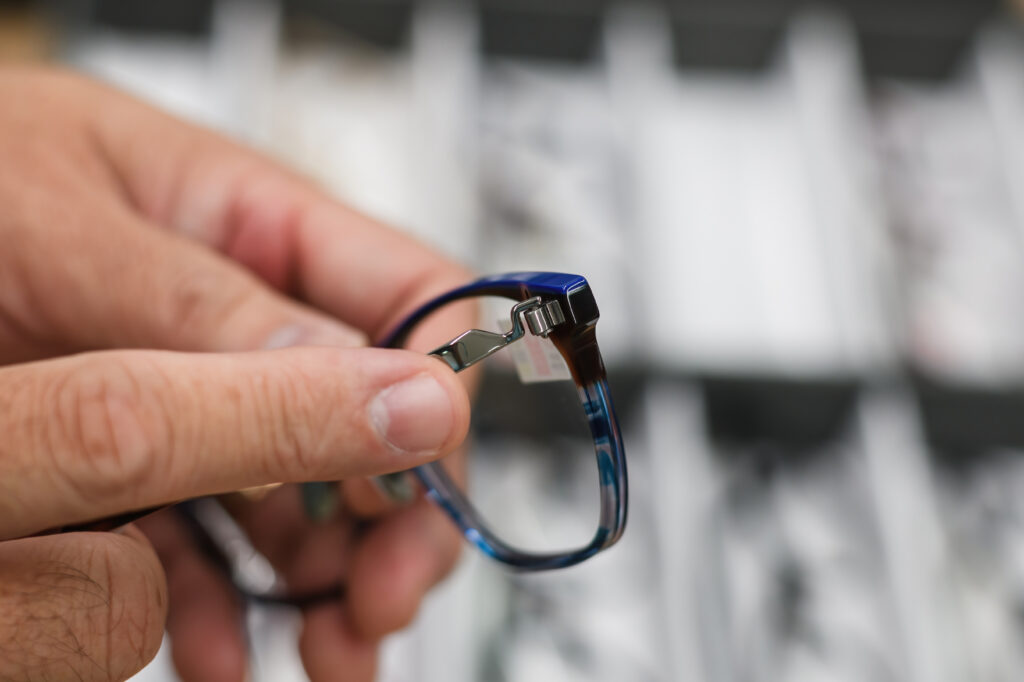
TiDOU is particularly known for its award-winning screw-free, snap-fit hinge system, which enables exceptionally lightweight, durable titanium frames that embody understated “quiet luxury” and everyday wearability. It was this design that won them the iF Design Award in 2022 for its innovation. More importantly, despite TiDOU’s award-winning status, its frames are relatively affordable, at around $200+.
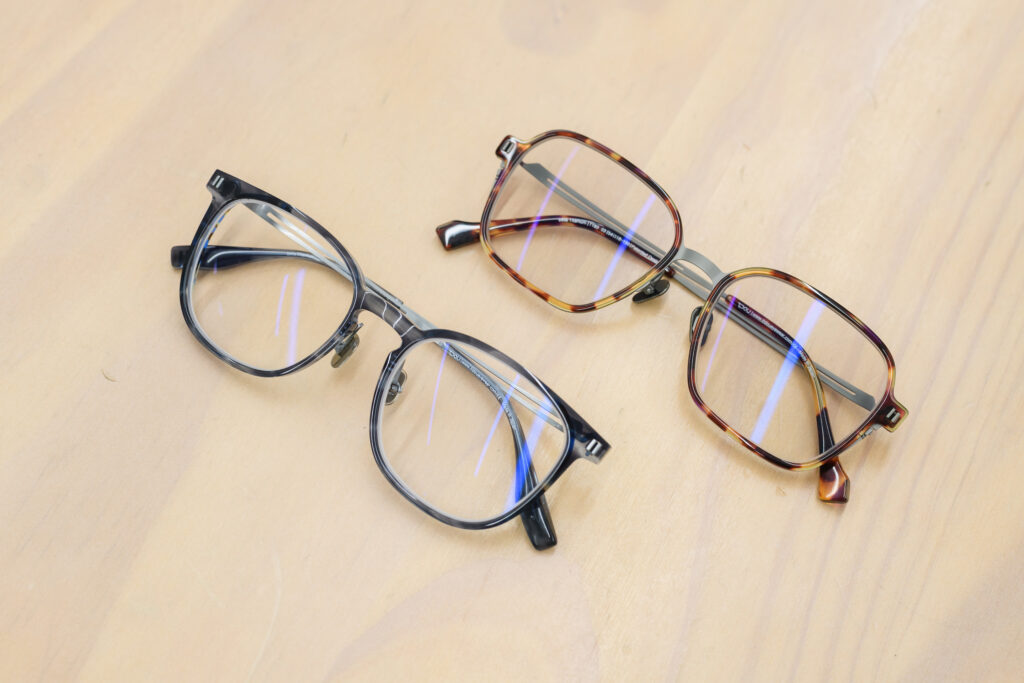
After some deliberation, I eventually settled on two TiDOU frames: a rectangular brown tortoiseshell pair suited for more formal settings, and a softer, bluish-grey round frame for everyday wear.
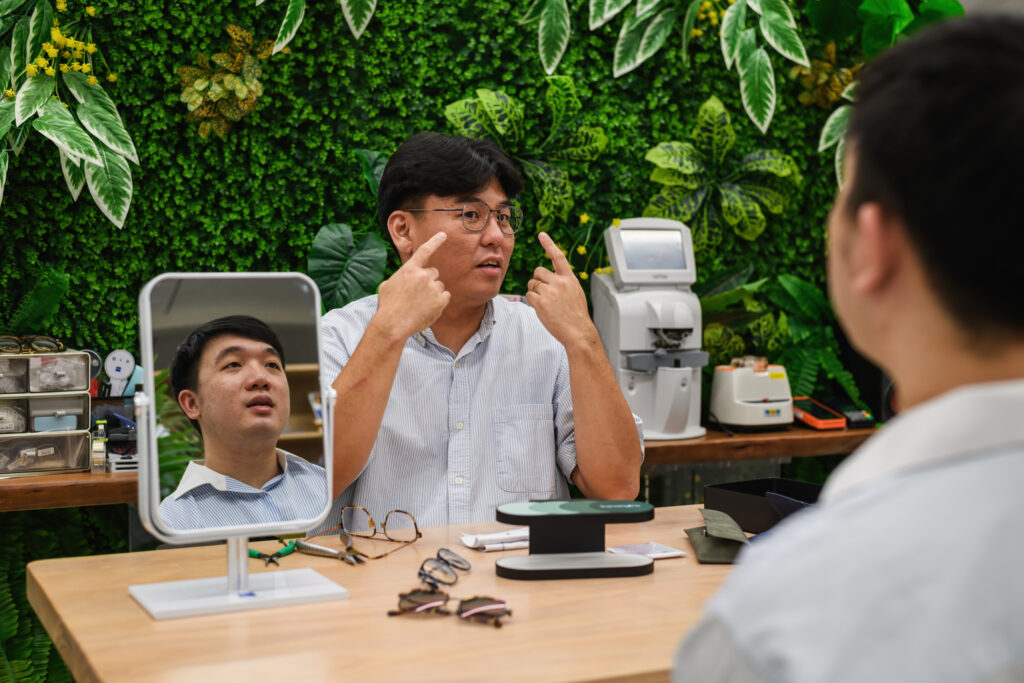
Shane also shared that many of TiDOU’s frames are made using beta titanium, which is currently one of the most sought-after materials in eyewear. Unlike standard titanium, beta titanium is alloyed with elements such as vanadium, aluminium, or molybdenum, which changes its crystalline structure. The result is a material that is highly fatigue-resistant, hypoallergenic, and flexible enough to bend without snapping.
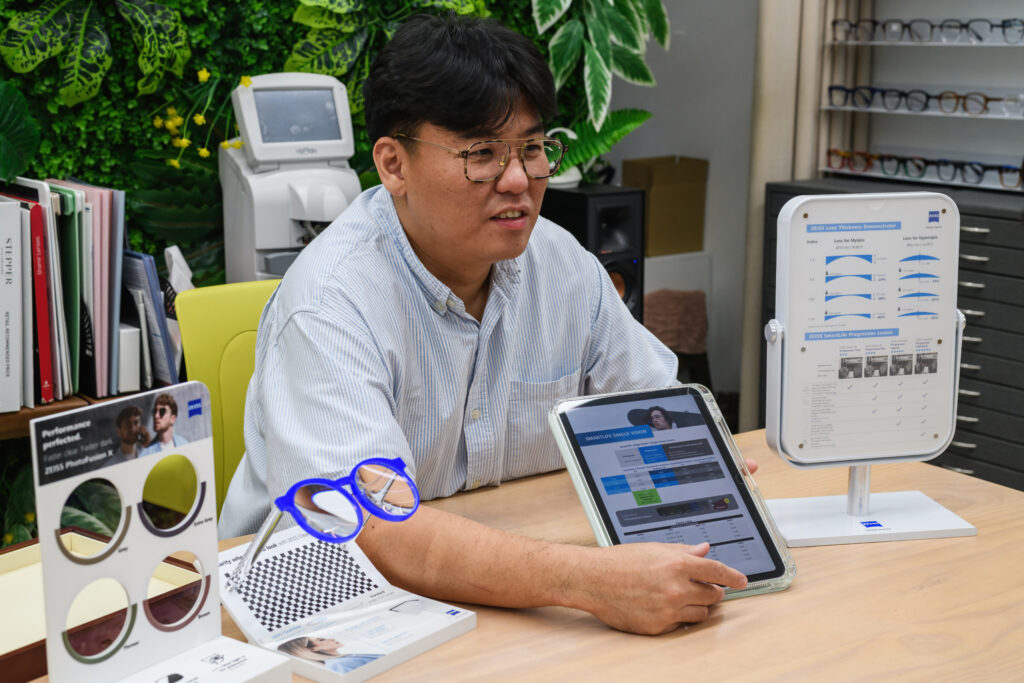
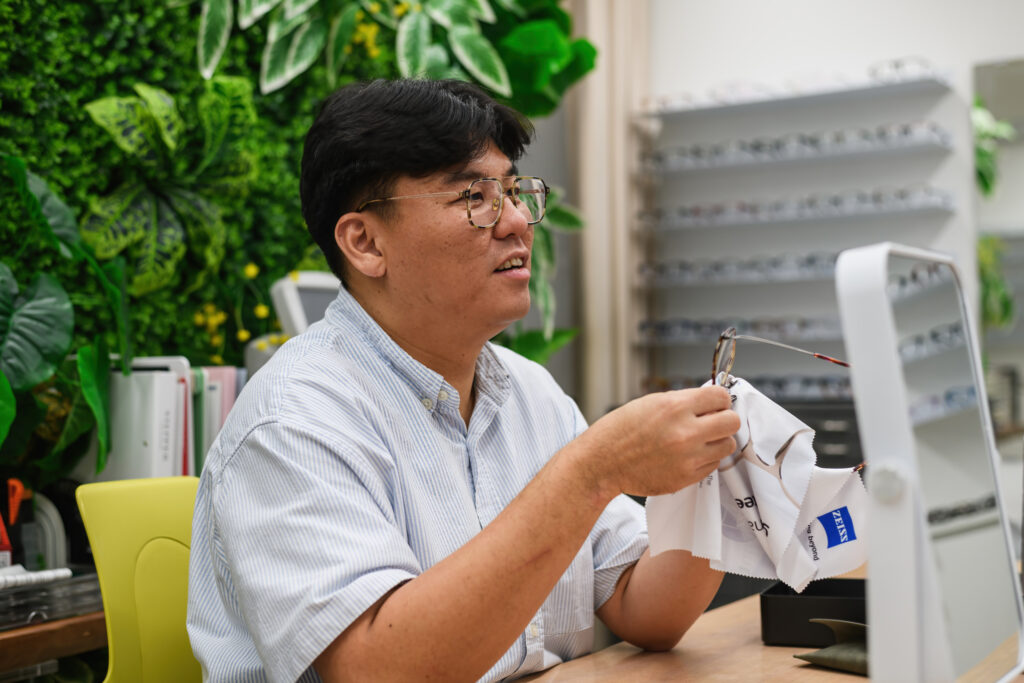
With the TiDOU frames settled, Shane moved on to the lens selection. He strongly recommended Zeiss lenses in particular. For those unfamiliar, Zeiss is a German optics brand widely regarded as a global leader in lens manufacturing, originally renowned for its precision camera lenses.
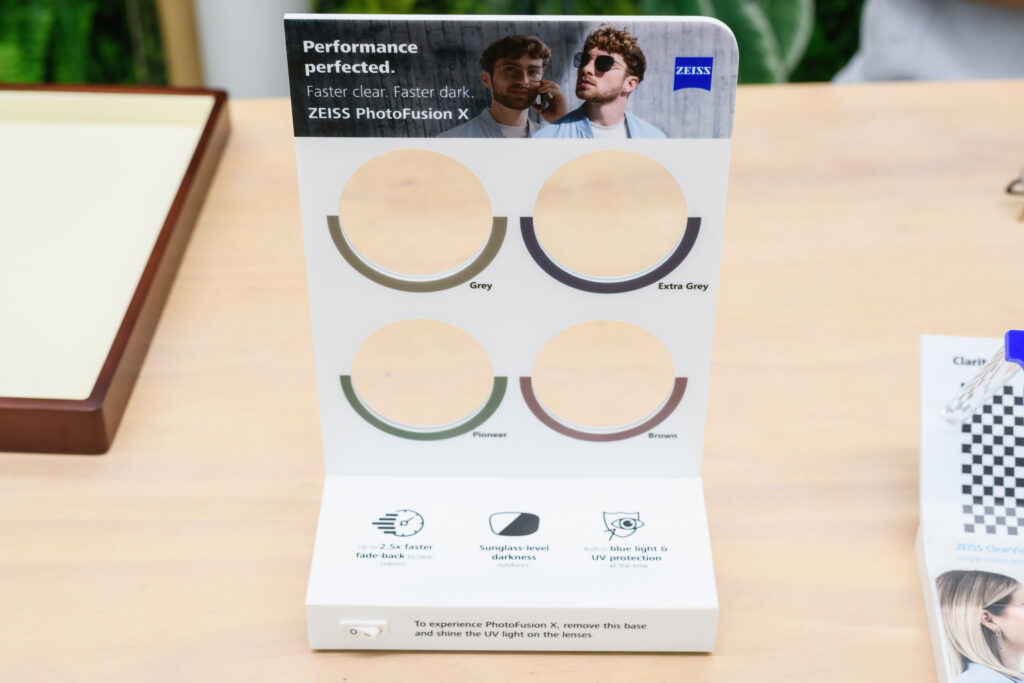
In particular, Shane suggested two Zeiss lens options. The first was PhotoFusion X, Zeiss’ range of photochromic (or transition) lenses. Available in four colourways, these lenses are designed to adapt quickly to changing light conditions, fading up to 2.5 times faster than conventional photochromic lenses while still offering strong protection against UV rays and blue light.
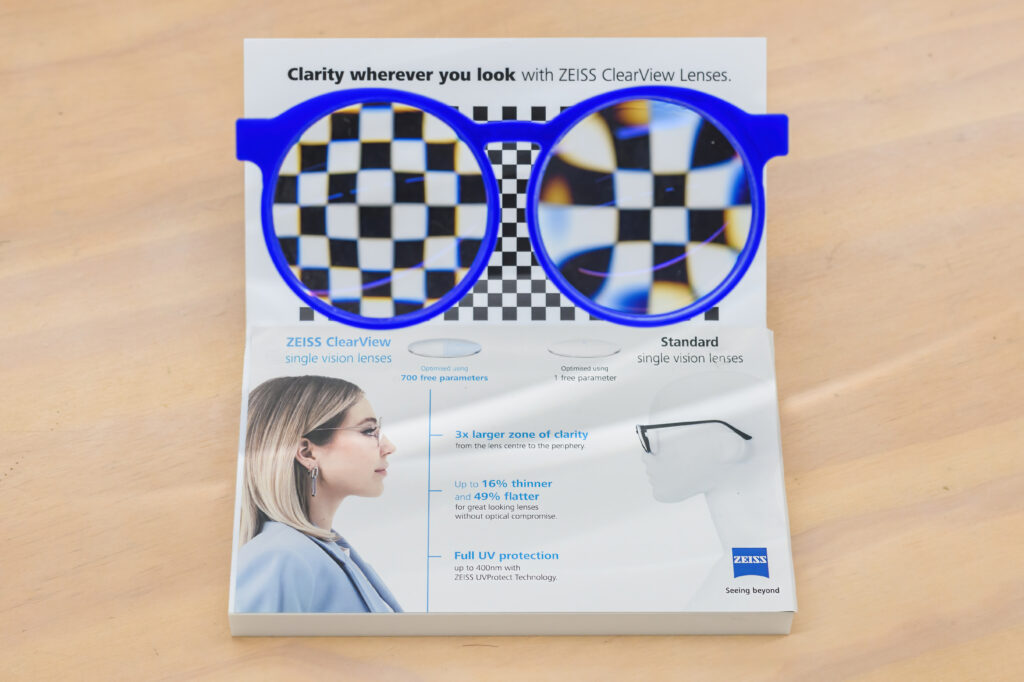
Next, Shane recommended Zeiss ClearView lenses, which offer a noticeably wider zone of clear vision compared to conventional lenses. They are also designed to be thinner and flatter, making them especially suitable for higher prescriptions. To round it off, the lenses also provide full UV protection.
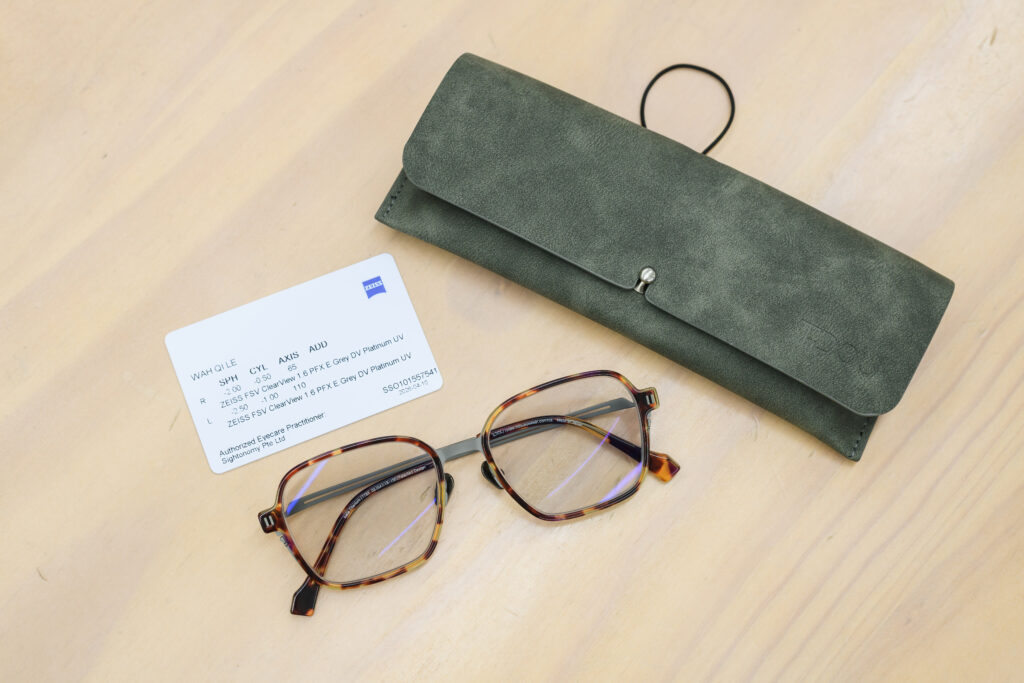
I opted for Zeiss PhotoFusion X on the brown frame, as it lends itself well to a more formal, premium aesthetic. I also felt the tortoiseshell finish would pair nicely with the darker tint when the lenses transition, giving it a sunglasses-like effect.
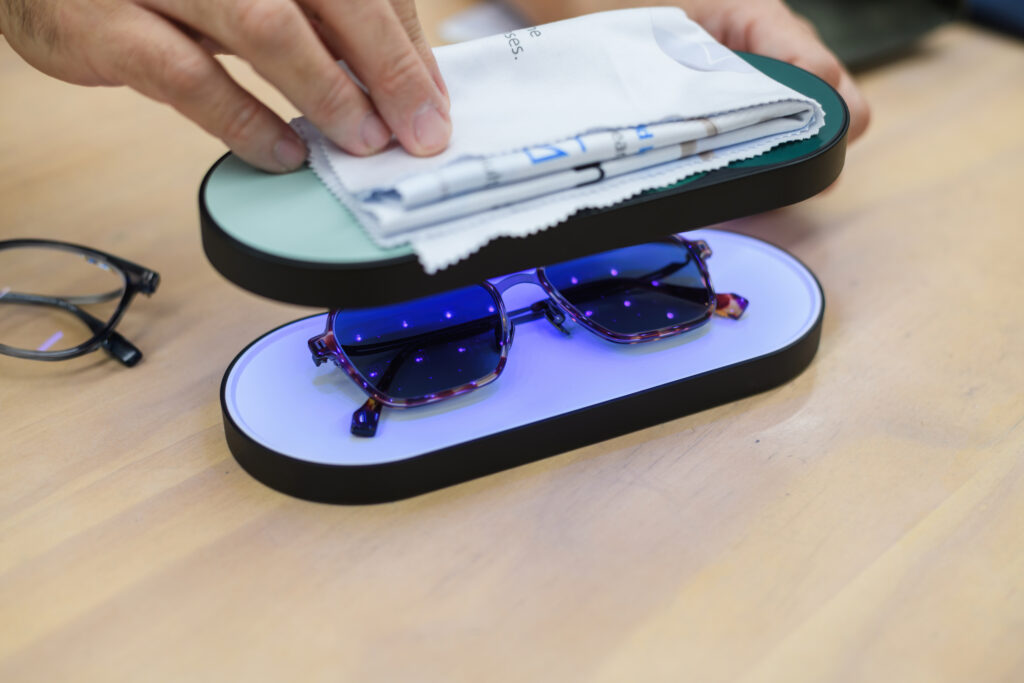
As it turned out, I wasn’t wrong. When I went back to collect the finished frames, Shane placed the brown pair—fitted with Zeiss photochromic lenses—under a UV lamp. Within moments, the lenses darkened dramatically, instantly transforming the tortoiseshell frame into a pair of sunglasses.
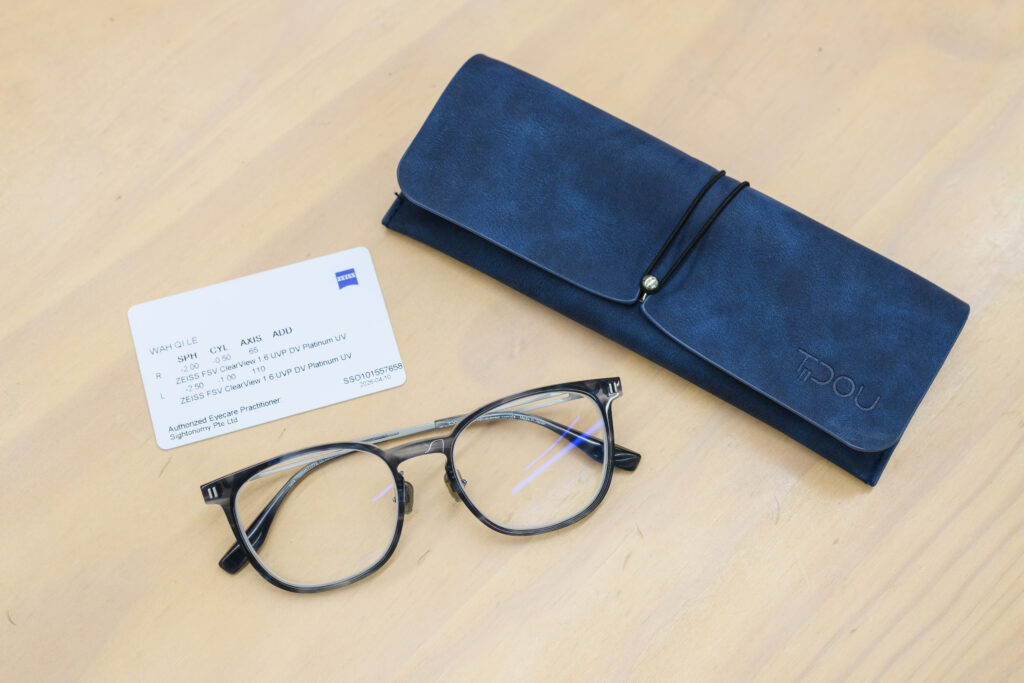
For the bluish-grey frame, I went with Zeiss ClearView lenses. After wearing them for a few weeks, I can genuinely say there’s a noticeable improvement in clarity compared to standard “free” lenses. The field of vision feels wider, and everything appears sharper and more defined—so much so that this pair has become my everyday glasses.
Sightonomy – Menicon Contact Lenses
After getting my frames, I decided to also get some daily contact lenses from sightonomy.
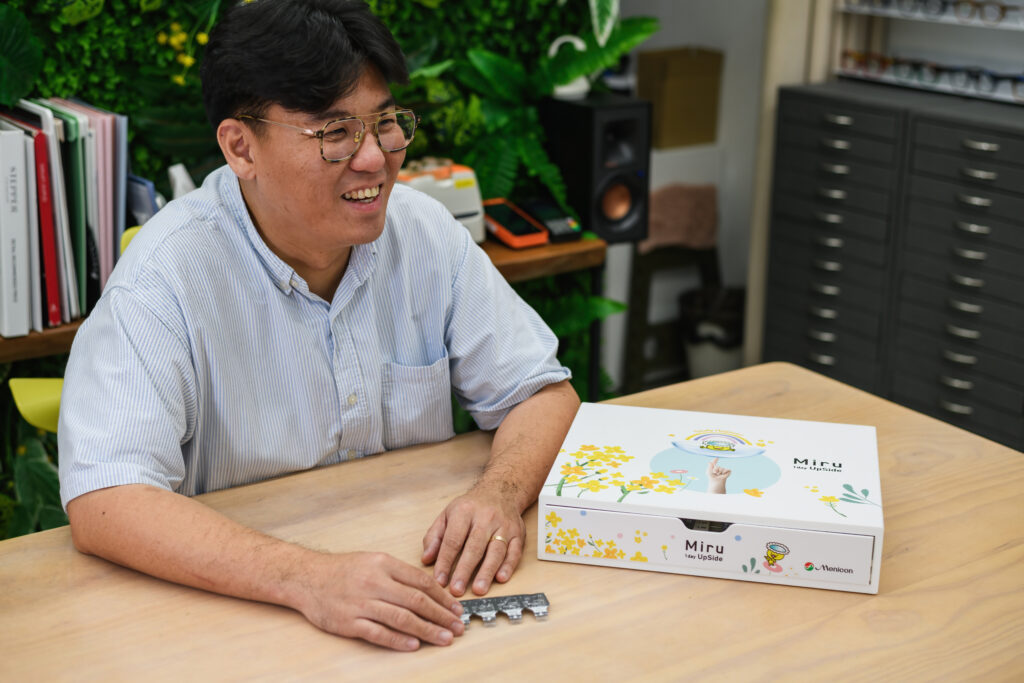
While I wear glasses every day, sharp-eyed readers may have noticed that I’m often without them in my photos. The reason is simple: I usually remove my spectacles during shoots to avoid distracting reflections on the lenses. That, however, means spending hours squinting through photo and video sessions. It was about time I got a pair of daily contact lenses—something I could wear for occasions where I’d be in front of the camera for extended periods, whether that’s a tailoring appointment, product shoot, or video production.
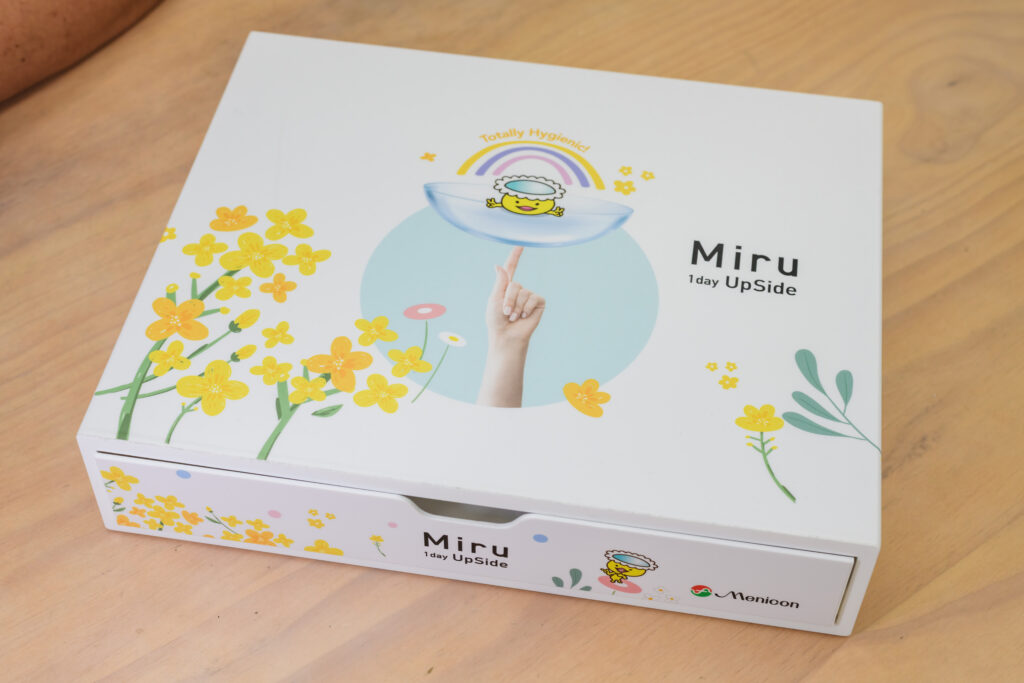
Since we had already settled on a pair of Japanese TiDOU frames, Shane recommended pairing them with the Miru 1day UpSide contact lenses from Japanese manufacturer Menicon. As Japan’s largest and most established contact lens brand, Menicon recently celebrated its 75th anniversary, with decades of expertise and a strong reputation for quality, reliability, and innovation in eye care.
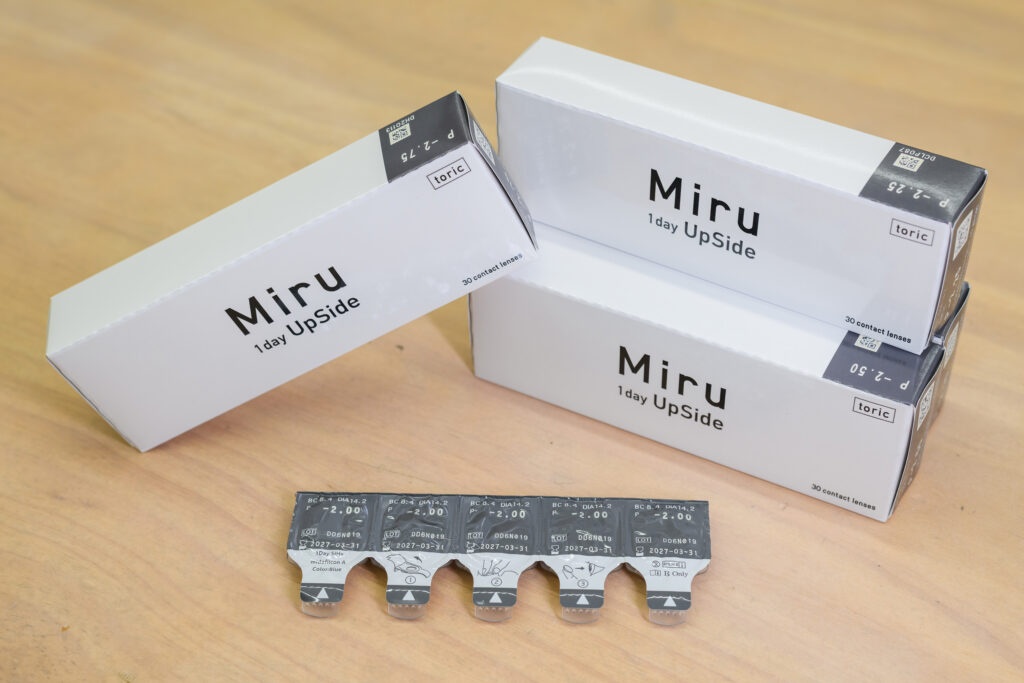
As I have astigmatism, Shane recommended the toric variant, which is designed for wearers with astigmatism.
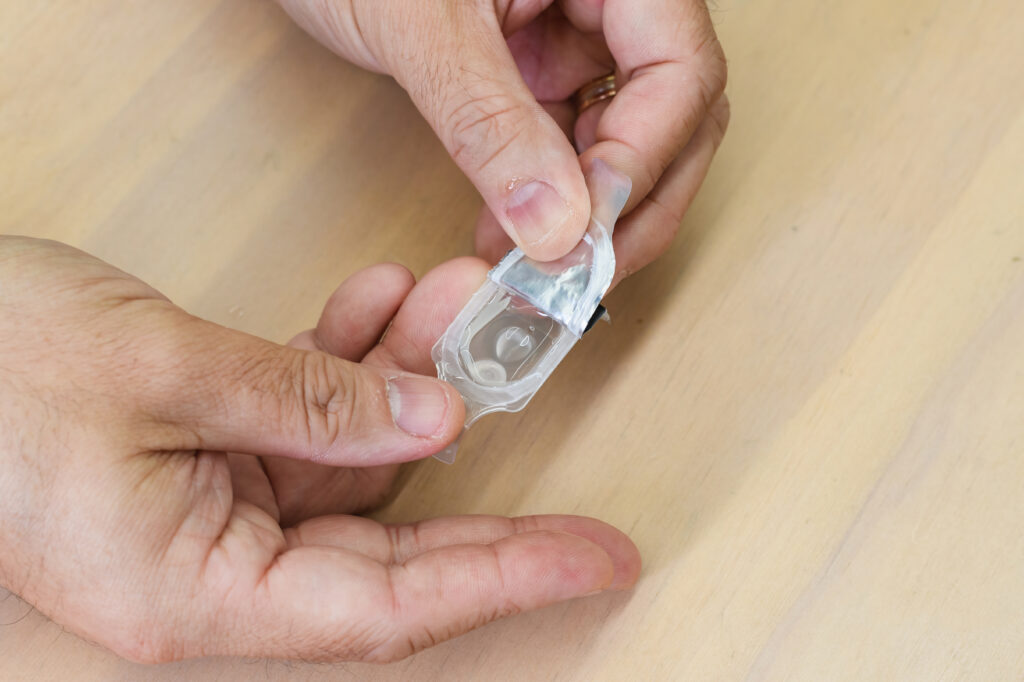
The standout feature of the Miru 1day UpSide lies in its cleverly designed packaging. Thanks to its distinctive heart-shaped blister pack, the contact lens is always presented the correct way up, allowing you to pick it up and insert it immediately. More importantly, you only ever touch the outer surface of the lens, leaving the inner surface—the part that sits directly against your eye—untouched for more hygienic handling.
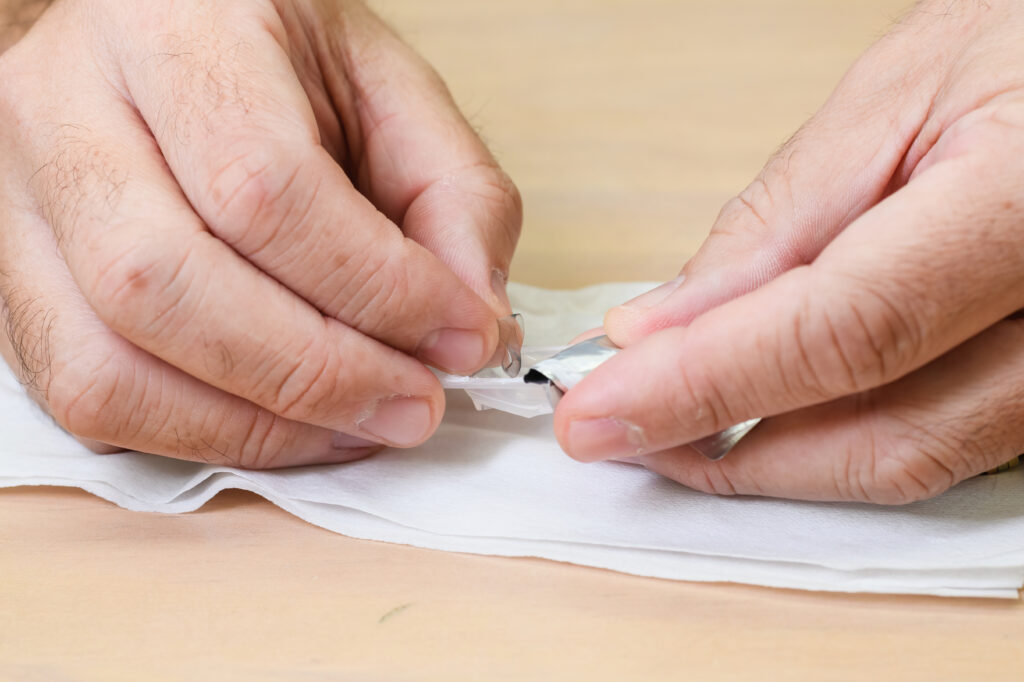
This differs from conventional contact lens packaging, where the inner surface typically faces upwards. As a result, wearers often have no choice but to touch the inner surface when removing the lens, increasing the risk of contamination before it even reaches the eye. With what Menicon calls its Smart Touch packaging, the risk of contamination is much lower.
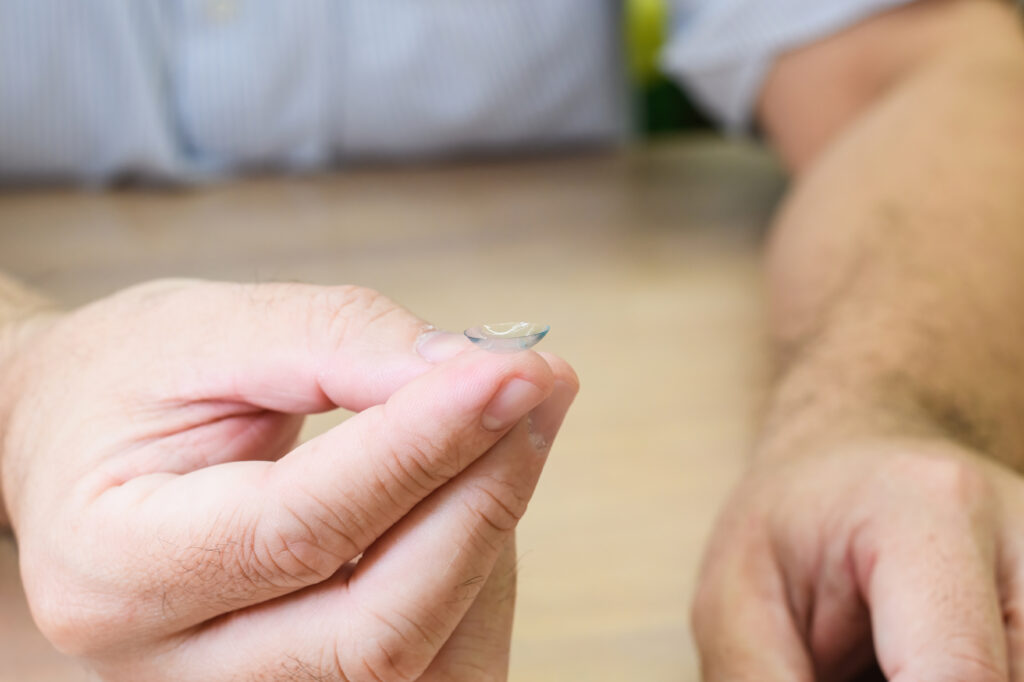
Beyond its innovative packaging, the Miru 1day UpSide is also designed with comfort in mind. Its highly breathable material allows more oxygen to reach the eyes, helping to reduce dryness and irritation even after extended wear. Furthermore, its innovative Smart Fit design allows the lenses to naturally rotate into the correct position on the eye regardless of how they’re inserted, ensuring consistently sharp vision without the hassle of precise alignment.
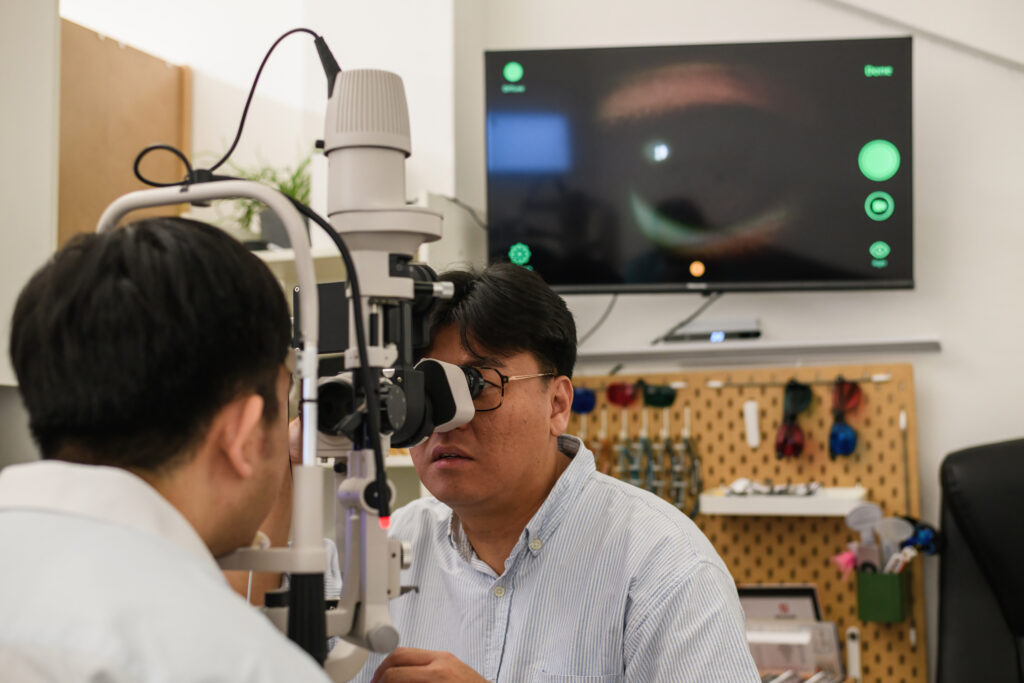
After settling on the appropriate Menicon contact lenses, Shane explained that the next step was to undergo another eye examination. While I initially assumed my existing prescription would suffice, he pointed out that anyone trying a new pair of contact lenses should first have their eyes assessed. This ensures that the lenses not only match the wearer’s prescription but also fit the shape of their eyes properly for optimal comfort, vision, and eye health.
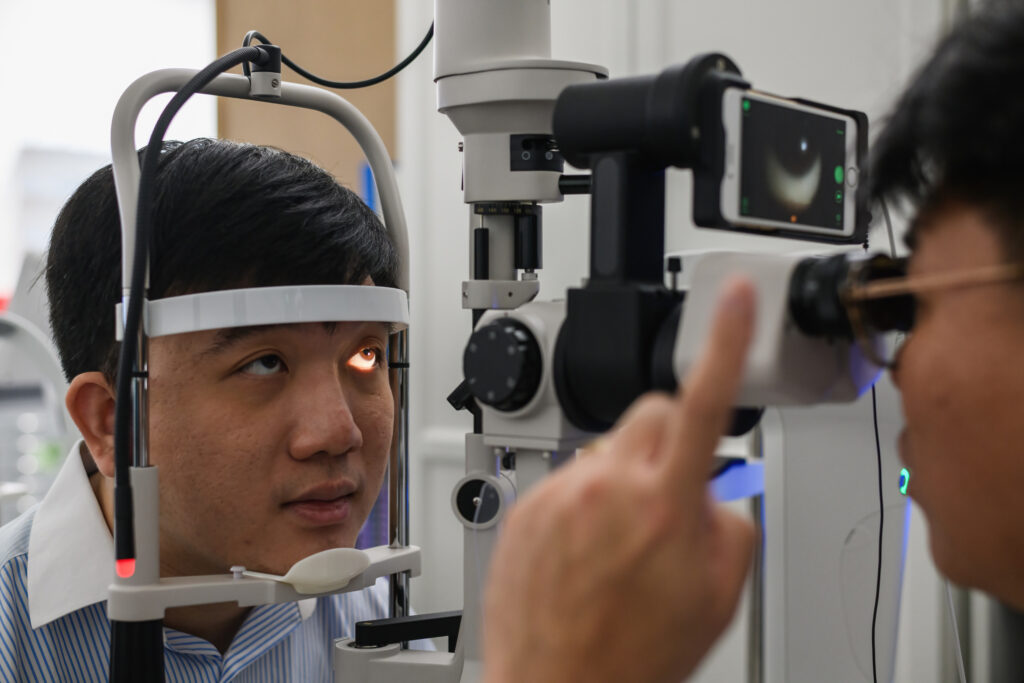
First, Shane measured the shape and curvature of my eyes to ensure that the Menicon contact lenses would be an appropriate and comfortable fit.
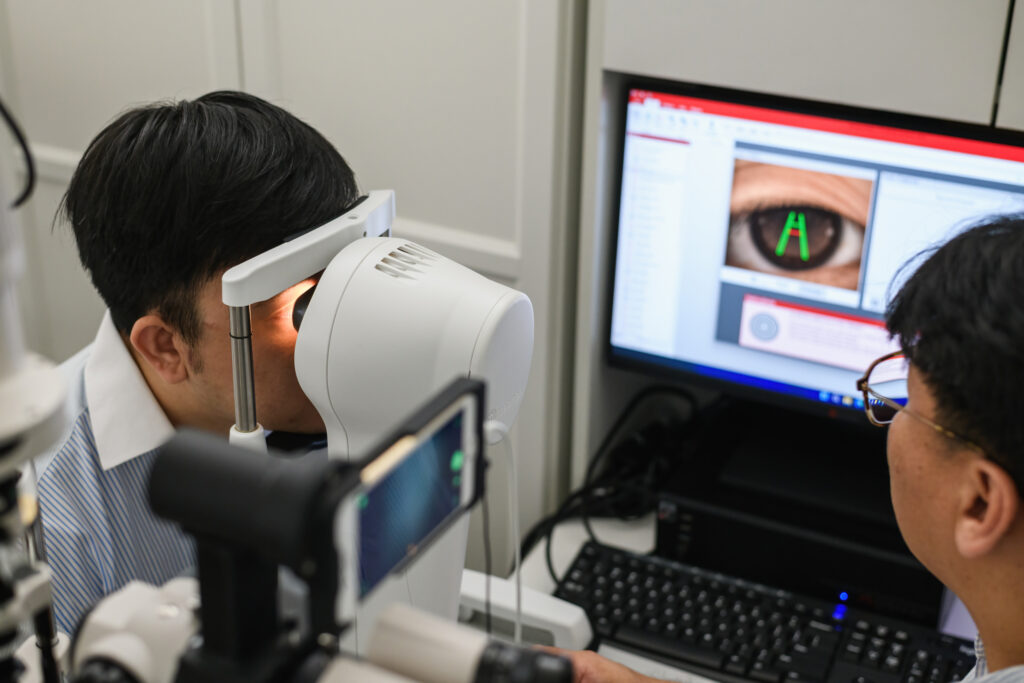
Next, Shane used a device to assess the health of my anterior eye, ensuring that my eyes were in suitable condition for contact lens wear. He explained that because contact lenses are more invasive than spectacles, additional checks are necessary to safeguard eye health and ensure the eyes can tolerate long-term lens use.
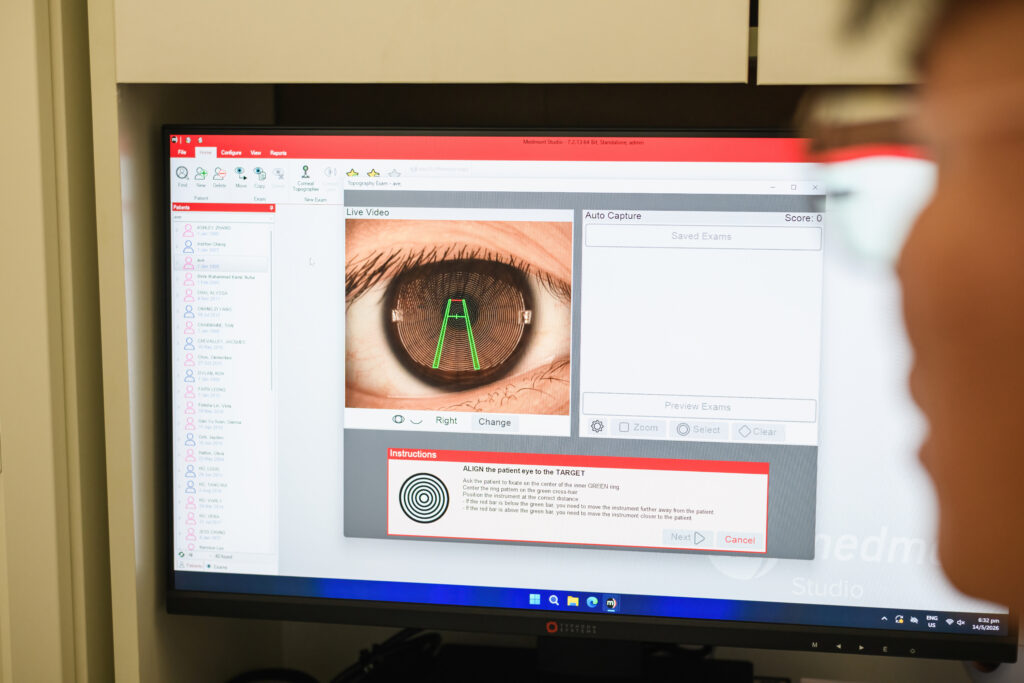
I’ve previously ordered contact lenses online from popular retailers, and all they required was my prescription for spectacles. Shane pointed out, however, that this approach is not ideal. He explained that buying and wearing contact lenses without proper consultation with an optometrist can be risky, as ill-fitting or unsuitable lenses may have adverse effects on long-term eye health.
Conclusion – so sightonomy “shiok” or not?
Sightonomy is clearly moving towards a more premium offering, and I am fully on board with the direction. First, I am genuinely pleased with my pair of TiDOU spectacles. Beyond being well-crafted from beta titanium and featuring an innovative hinge design, they also carry a refined, premium aesthetic. Second, the Zeiss lenses fitted into the frames have been equally impressive. The Zeiss PhotoFusion X transitions to and from tint noticeably faster than conventional photochromic lenses, while the Zeiss ClearView delivers consistently sharp and crystal-clear vision. Third, I have also come to appreciate the Menicon Miru 1day UpSide contact lenses for their emphasis on hygiene. Having worn them occasionally over the past month, I find them comfortable and easy to use. They are also slightly more affordable compared to other well-known brands available locally. Finally, I value Shane’s strong commitment to proper optometric care. Not every optical shop includes a dedicated eye health assessment before dispensing contact lenses—understandably so, given the cost of equipment and the time required—but it is a step that adds meaningful reassurance.
At Sightonomy, TiDOU frames with basic lenses are priced from around $200 and above, while upgrading to Zeiss lenses typically involves an additional top-up of approximately $100 to $200 or more, depending on the configuration. In addition, those interested in the Menicon Miru 1Day UpSide contact lenses can quote the promo code “SIGHT3PLUS1” when making a purchase or appointment booking to receive a complimentary box with every three boxes purchased.
View the full range of sightonomy’s offerings here.
sightonomy’s location: 60B Smith St, Singapore 058963
P.S. Shiok is a common word Singaporeans use to express admiration or approval. As of 2016, you can find the definition of the word in the Oxford English Dictionary.
P.S.S. If you haven’t already, do follow my social media channels on Facebook here, on Instagram here, and on Youtube here.