
















It’s been a long time since I’ve written an opinion editorial, and frankly, I’ve been on the fence about writing this. But I created Wah So Shiok to portray my personal voice, and I believe this topic – especially in today’s media landscape – is one worth shining a spotlight on.
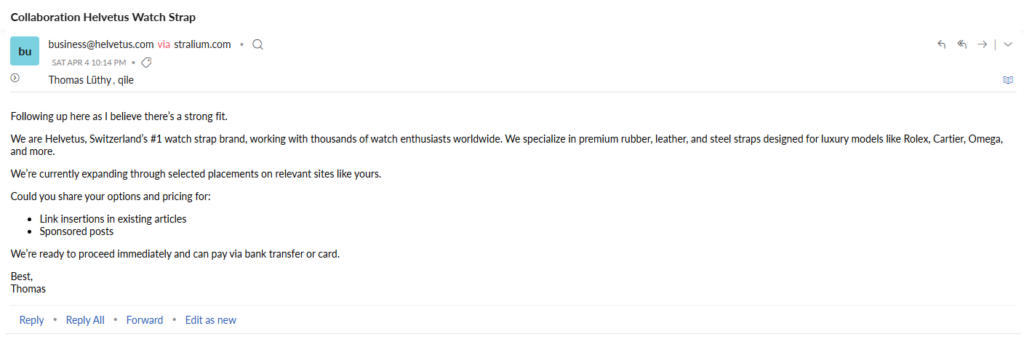
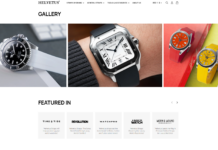
Yesterday, I received an email from the watch strap brand Helvetus, which introduced itself as “Switzerland’s #1 watch strap brand,” specialising in premium rubber straps for Rolex, Cartier, Omega, and other major houses. The claim immediately caught my attention—not least because I had never heard of the brand before. This piqued my curiosity: is Helvetus genuinely prominent within Switzerland or Europe but relatively unknown in Asia, or is this simply a case of marketing overreach?
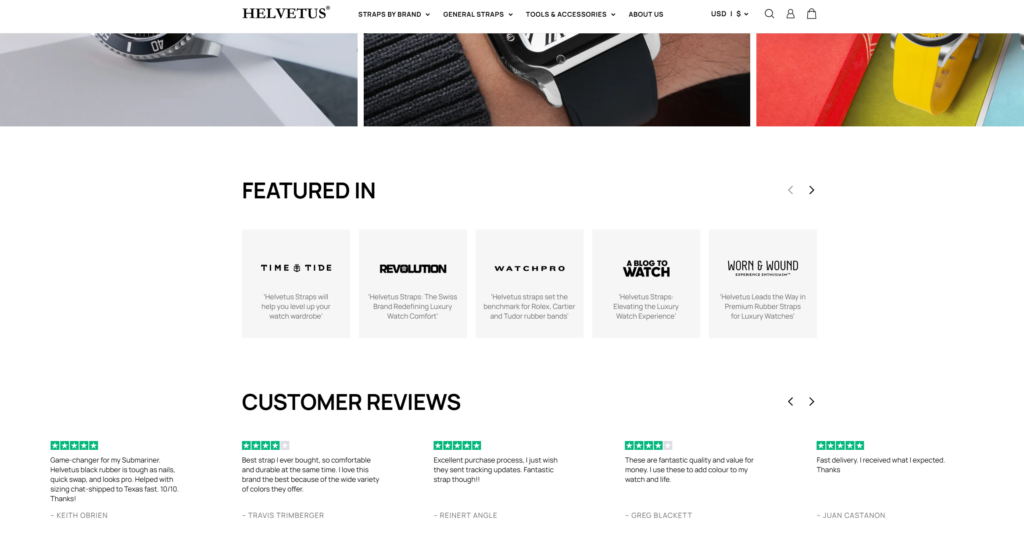
Upon visiting its website, I noticed it highlights that the brand has been featured in numerous prominent watch publications, including Time & Tide, Revolution, A Blog to Watch, WatchPro, and Worn & Wound. A bunch of 4-5-star customer reviews are also displayed, seemingly bolstering its credibility. Yet, something felt off about the brand – call it an editor’s intuition after reviewing brands for 8 years – so I dug deeper into their reviews online.
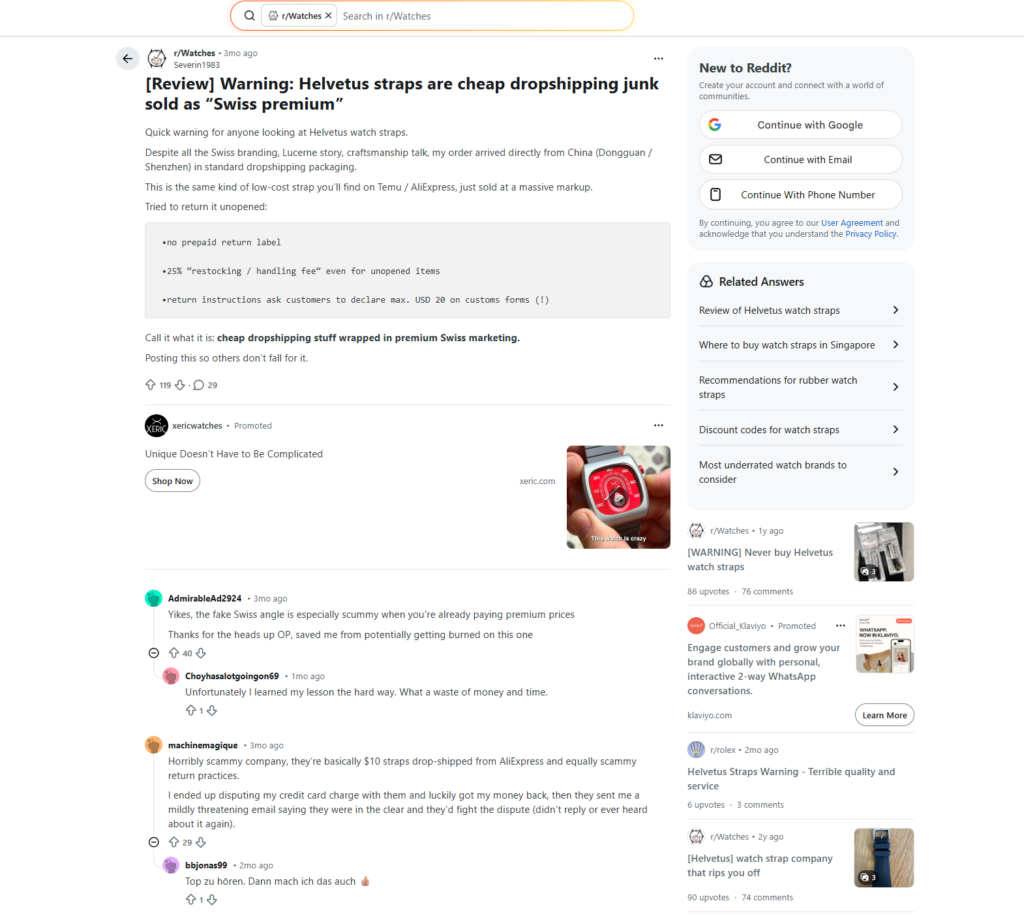
It didn’t take much effort for me to come across plenty of negative customer reviews online. The reviews had a common theme – many lambasted Helvetus for dropshipping cheap watch straps from China, apparently with such minimal effort that they don’t even bother to mask the shipping country or change the packaging. The reviews also highlighted a lack of customer service, with the brand apparently charging a 25% restocking fee for returns.
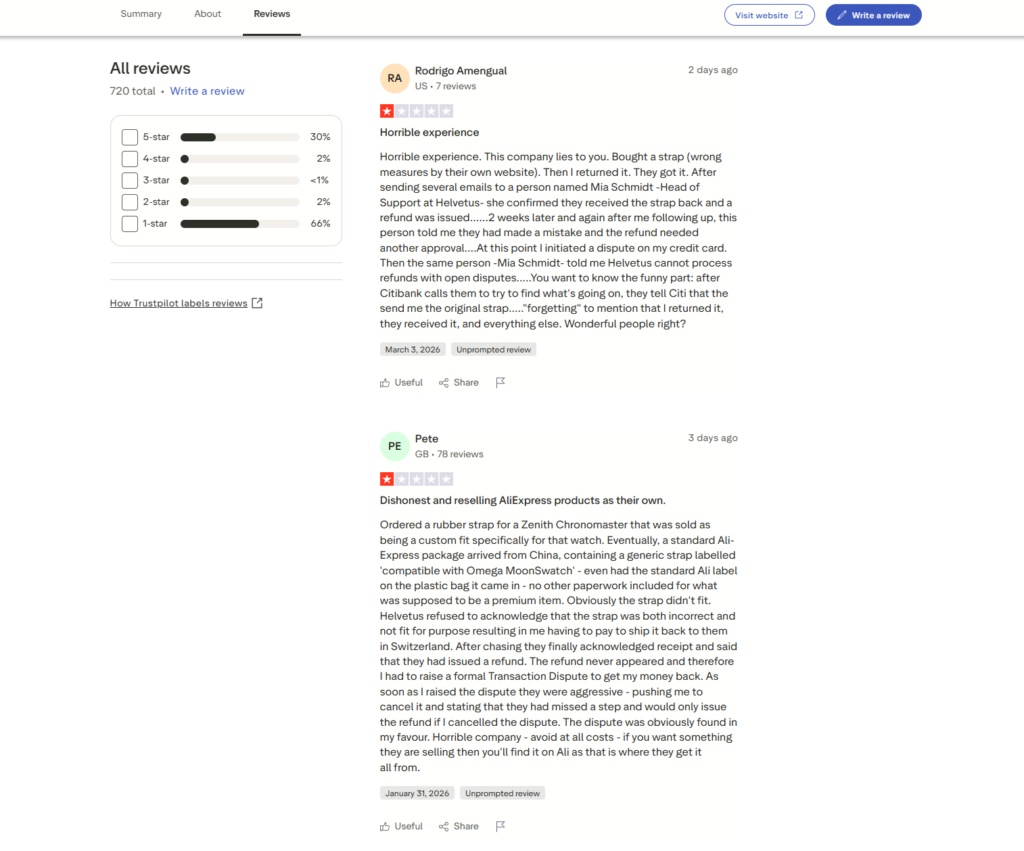
The negative sentiment isn’t just isolated to Reddit – a quick check on Trustpilot showed that Helvetus has over 66% 1-star reviews on Trustpilot. That’s pretty damning, to say the least.
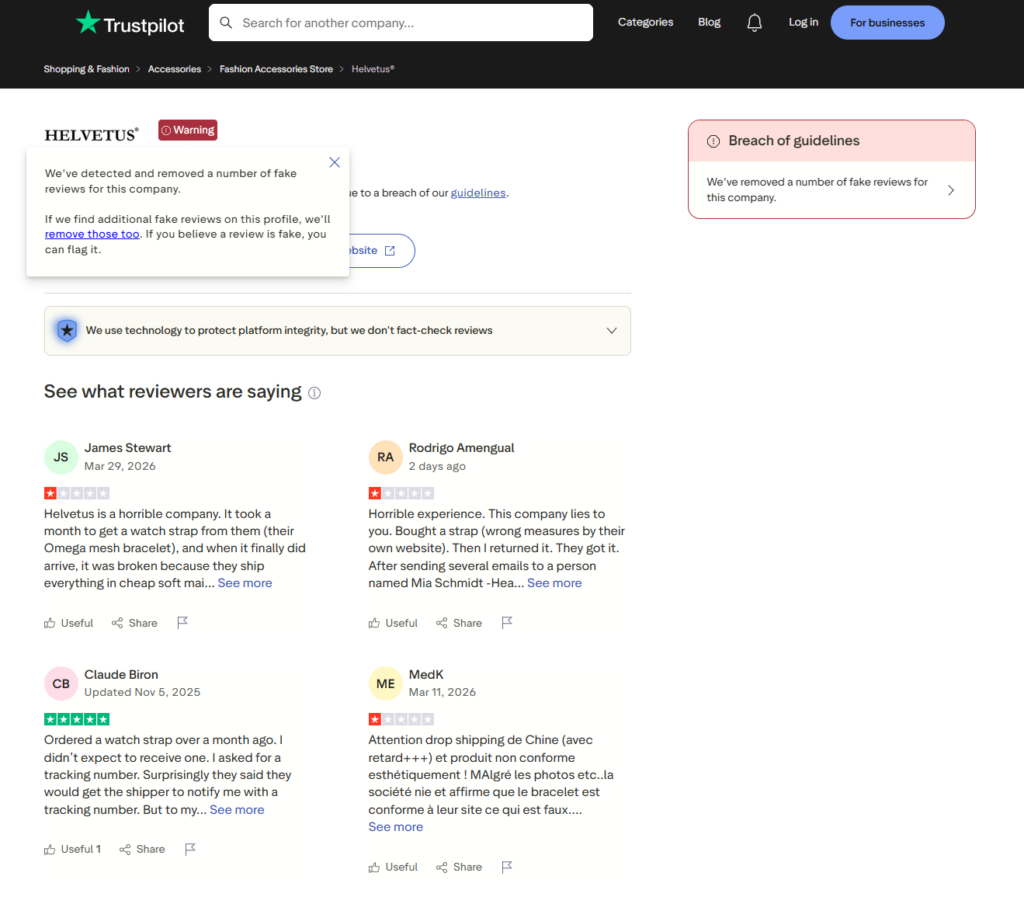
To make matters worse, it seems that Helvetus tried to salvage its terrible Trustpilot rating with 5-star fake reviews, which Trustpilot flagged and removed. To me, that shows a clear lack of business integrity and accountability on Helvetus’s part.
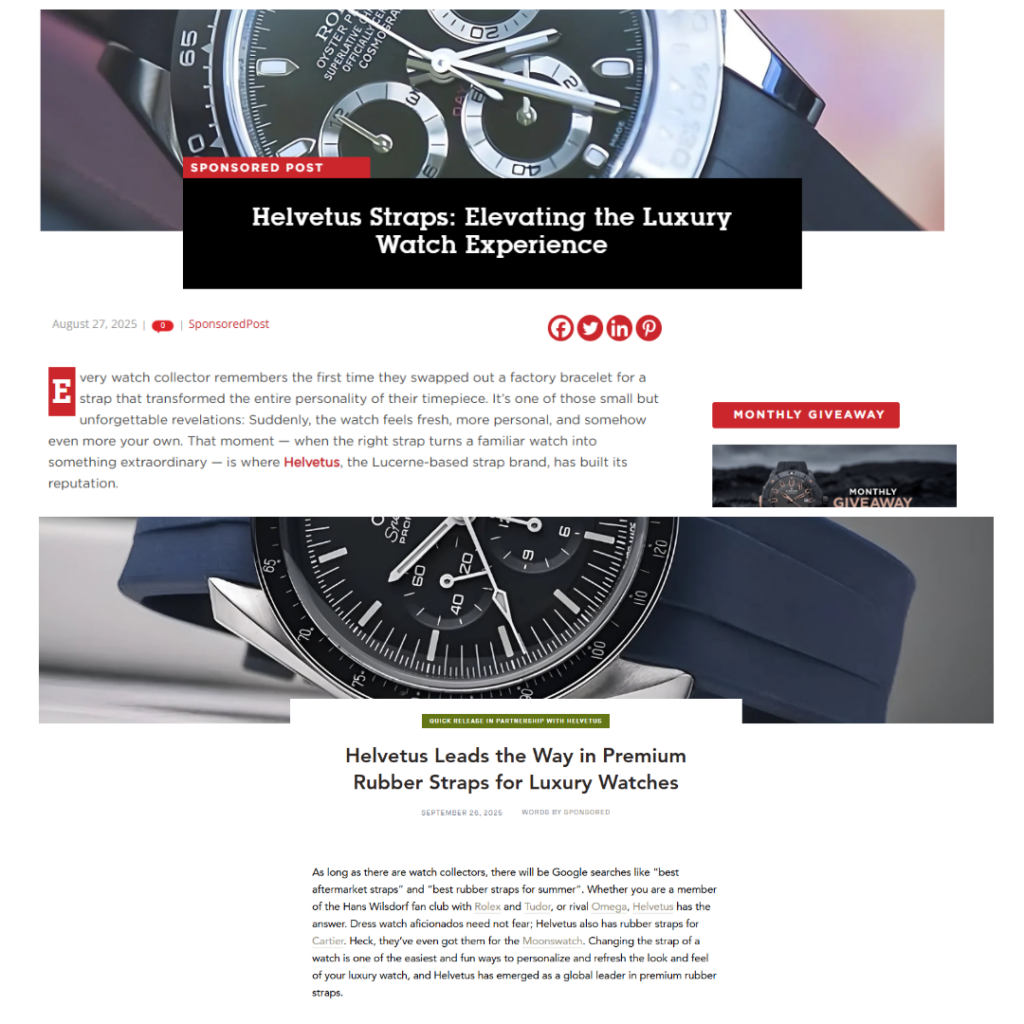
To be clear, the purpose of this piece is not to single out Helvetus. The market is replete with dropshipping brands, and Helvetus is neither the first nor likely to be the last. Rather, the focus should return to the larger watch publications that afforded the brand a platform—and, by extension, a degree of credibility. Some outlets, such as A Blog to Watch and Worn & Wound, at least clearly label such content as sponsored. While not ideal, that level of transparency ensures readers are aware that the coverage is paid for.
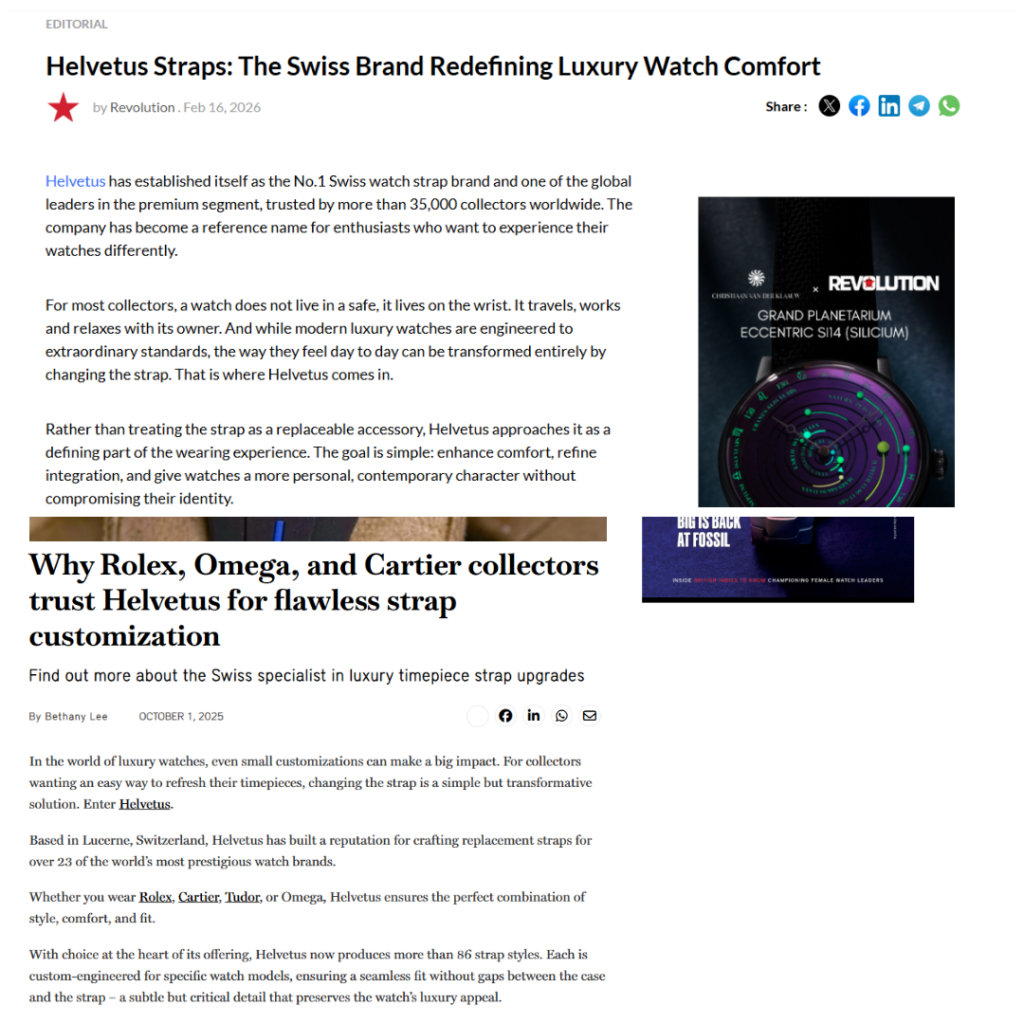
Unfortunately, not all publications demonstrated the same commitment to journalistic rigour. In particular, Revolution and WatchPro stand out as especially troubling examples. In the case of Revolution, the Helvetus piece is presented as an “editorial” rather than a sponsored article, with an unnamed writer describing the brand as “a reference name for enthusiasts.” WatchPro goes even further, asserting that Helvetus offers more than 86 strap styles and that “each is custom-engineered for specific watch models, ensuring a seamless fit without gaps between the case and the strap.”
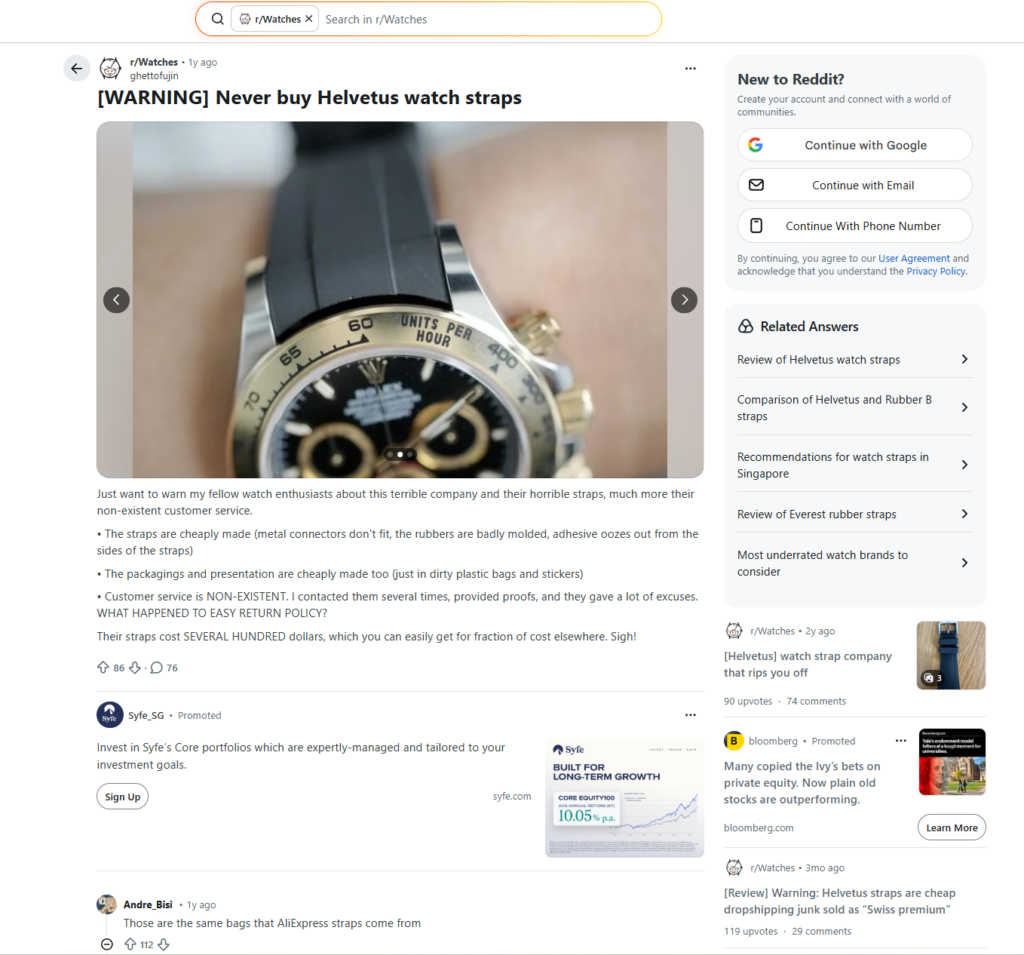
It did not take long to uncover numerous images online showing an unsightly gap between Helvetus straps and the watches they were purportedly designed for—hardly the “seamless fit” advertised. The broader point is this: if such reviews can be uncovered within minutes, it stands to reason that it would not have been beyond the reach of an editor such as Bethany Lee at WatchPro. That is what makes the situation troubling. It raises the question of how established publications can reproduce press materials with minimal scrutiny, without even conducting the most basic due diligence on the brands from which they derive revenue.
As journalists, we bear a responsibility to our readers—many of whom rely on our expertise and judgement when making purchasing decisions. While commercial realities cannot be ignored, no publication should place its own interests above those of its most important stakeholders: its audience. Yet, in today’s media landscape, editorial integrity often appears increasingly compromised, even among established titles.

A recent example is Esquire Singapore, which drew widespread criticism for publishing an AI-generated interview with Mackenyu, known for his role as Roronoa Zoro in Netflix’s live-action One Piece series. The piece was reportedly produced because the editorial team had already secured a photo spread—featuring luxury brands such as Tod’s—but the actor himself was unavailable for an interview. Crucially, the interview was generated without Mackenyu’s consent and with little regard for reader expectations (which fan wants to read a Claude-generated interview of their idol?). In prioritising commercial deliverables over fundamental journalistic standards, the publication not only undermined its credibility but also invited justified scrutiny.
At Wah So Shiok, editorial independence is non-negotiable. I will not compromise that principle by promoting brands I do not believe in, merely to make a quick buck. Perhaps this stance means the platform may never scale to the size of titles like Revolution or Esquire Singapore, but preserving its integrity—and its voice—matters more to me.
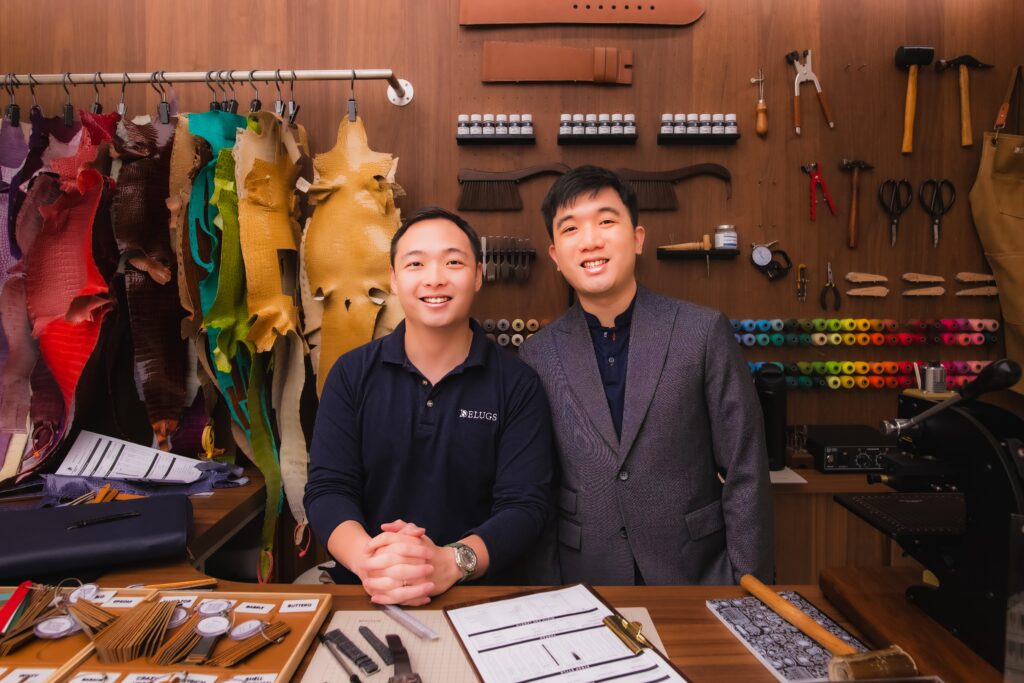
For readers seeking well-fitting rubber straps for their luxury timepieces, I would instead point to reputable local brands such as Delugs—which pioneered the CTS rubber strap concept for luxury timepieces—and Nomad Watch Works as more accessible alternatives. Having met both founders and spent time with their products, I can vouch for their quality with confidence.
P.S: Check out The Shiok Store here – it serves as a curation of my favourite products from my favourite brands.
P.P.S: Do check out the new “Discounts!” page for exclusive discounts for Wah so Shiok readers! More brands will be added very soon – stay tuned!
P.P.P.S: If you haven’t already, do follow my social media channels on Facebook here, on Instagram here, and on Youtube here.
P.P.P.P.S Shiok is a common word Singaporeans use to express admiration or approval. As of 2016, you can find the definition of the word in the Oxford English Dictionary.


